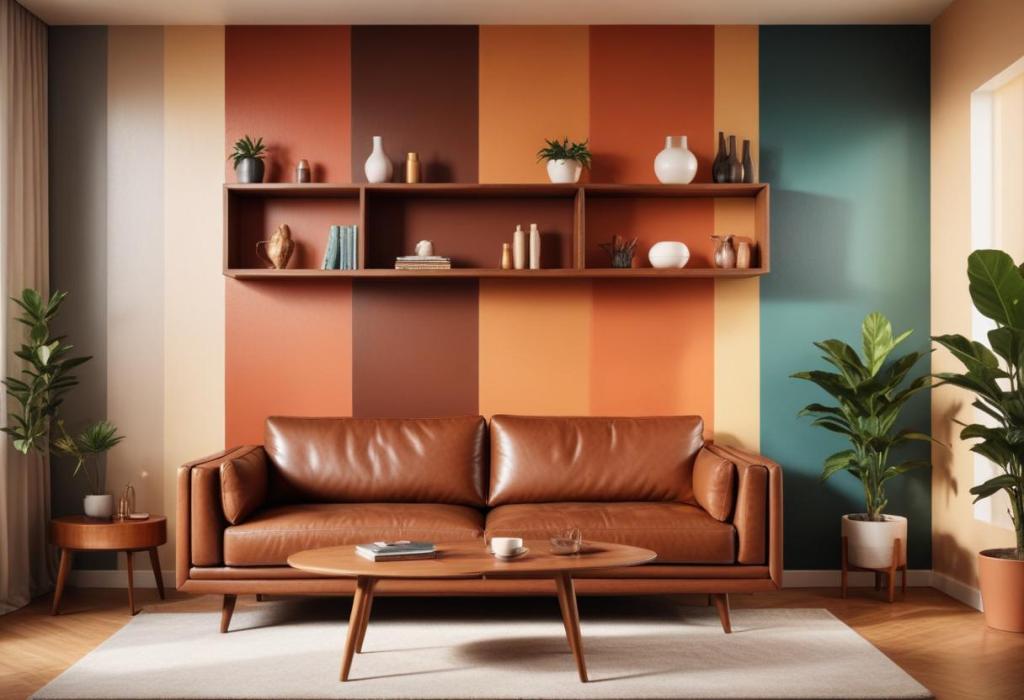
In the realm of interior design, furniture transcends its functional role to become a statement of artistic expression. The fusion of artistry and functionality in furniture design has transformed modern living spaces into curated environments that reflect personal taste and cultural trends.
Evolution of Furniture Art
Throughout history, furniture has evolved from mere utilitarian objects to pieces of art that define the ambiance of a space. Ancient civilizations crafted furniture not only for practical purposes but also as symbols of status and cultural identity. From the ornate thrones of Egyptian pharaohs to the minimalist elegance of Japanese tea ceremony furniture, each era and culture infused its unique artistic sensibilities into their furnishings.
The Renaissance period marked a resurgence of artistry in furniture design, with craftsmen integrating intricate carvings and lavish materials to create pieces that rivaled the grandeur of Renaissance paintings and sculptures. This era laid the foundation for the concept of furniture as art, setting the stage for future innovations in design.
Modern Interpretations
In the 20th century, movements such as Art Nouveau and Art Deco revolutionized furniture design by emphasizing organic forms and geometric patterns respectively. These styles not only shaped the aesthetic of furniture but also influenced architectural trends, leading to the creation of cohesive living spaces where furniture played a pivotal role in interior design.
Today, furniture artistry continues to evolve with the advent of contemporary design philosophies such as Minimalism, Scandinavian design, and Industrial Chic. These styles prioritize clean lines, functionality, and the use of natural materials, reflecting a shift towards simplicity and sustainability in modern living spaces.
The Intersection of Form and Function
What distinguishes furniture art from conventional furniture is its ability to merge form and function seamlessly. Each piece is conceived not just to serve a practical purpose but to evoke an emotional response and enhance the overall aesthetics of a room. Whether it’s a sculptural chair that doubles as a work of art or a sofas and couches that adapts to different spatial configurations, furniture art challenges traditional boundaries and redefines the concept of livable art.
Materials and Techniques
Contemporary furniture artists and designers employ a diverse range of materials and techniques to create pieces that are both visually striking and structurally sound. From reclaimed wood and recycled metals to innovative composites and sustainable fabrics, the choice of materials reflects a growing consciousness towards environmental impact and ethical sourcing in furniture production.
Technological advancements, such as computer-aided design (CAD) and additive manufacturing, have also revolutionized the way furniture art is conceptualized and fabricated. These tools enable designers to experiment with complex geometries and create custom-made pieces that cater to individual preferences and spatial constraints.
Furniture as Cultural Expression
Beyond its aesthetic and functional attributes, furniture art serves as a cultural artifact that reflects the values, traditions, and aspirations of its creators and users. In a globalized world where cultural exchange is ubiquitous, furniture art acts as a bridge between different societies and histories, fostering a deeper appreciation for diversity and creativity.
Integrating Furniture Art into Modern Living Spaces
The integration of furniture art into modern living spaces requires a thoughtful approach to composition, proportion, and spatial planning. Design enthusiasts and homeowners alike are increasingly drawn to pieces that tell a story, whether it’s a handcrafted dining table that celebrates traditional craftsmanship or a contemporary light fixture that serves as a focal point in a minimalist interior.
Creating a cohesive environment where furniture art harmonizes with architectural elements and decorative accents requires a keen eye for detail and an understanding of design principles. By curating a collection of furniture art that complements the existing decor and enhances the functionality of a space, individuals can transform their homes into personalized sanctuaries that inspire creativity and nurture well-being.
Conclusion
In conclusion, furniture art represents a convergence of creativity, craftsmanship, and cultural heritage in the realm of interior design. By embracing innovation while honoring tradition, furniture artists and designers continue to push the boundaries of what is possible, creating pieces that transcend utility to become symbols of artistic expression and personal identity. As we navigate the complexities of modern living, the allure of furniture art serves as a reminder of the enduring power of design to enrich our lives and elevate our surroundings.





 Furniture Focus Art
Leave a comment